

You pick up your phone to check one message.
Twenty minutes later, you are still scrolling.
Your body is in one place. Your mind is somewhere else.
You get through the day, but it feels like you did not really live it.
This is the reality for many people today. Constant notifications, endless content, and pressure to always be available make it difficult to slow down and actually be here. That is why the art of mindfulness matters so much now.
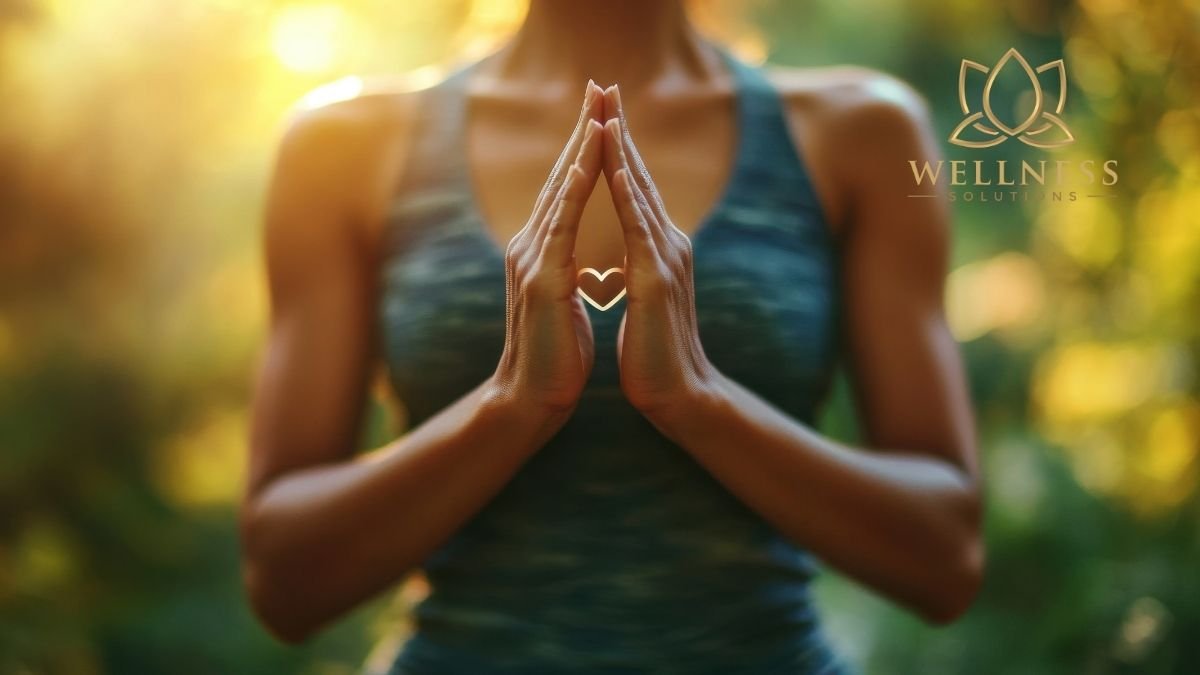
Mindfulness is the practice of training presence. It is not about emptying your mind or forcing yourself to be calm. It is about learning to notice your experience with more clarity and less judgment, so you can respond instead of react.
At Enhanced Wellness Solutions, we integrate mindfulness into online and in person psychotherapy for people who want to reduce stress, calm their nervous system, and live more consciously in a distracted world.
Many people think mindfulness means sitting for long hours with a perfectly quiet mind. That image alone is enough to make most people give up before they start.
In reality, the art of mindfulness is much simpler and more human.
Mindfulness is
You do not have to like what you notice. You just have to be willing to see it. Over time, this practice changes how you relate to your inner world and to the people around you.
A mind that is constantly distracted often feels anxious, restless, or numb. When you are never fully present, it is hard to enjoy anything deeply or to process what is happening in your life.
Mindfulness affects mental health in several important ways
For many clients at Enhanced Wellness Solutions, learning even a few simple mindfulness skills makes therapy more effective and daily life more manageable.
To really understand the art of mindfulness, it helps to clear up some common misunderstandings.
Truth
Your brain produces thoughts. That is what it does. Mindfulness is not about stopping thought. It is about recognizing thoughts as thoughts and allowing them to pass without grabbing each one.
Truth
Mindfulness is especially helpful if you feel anxious, restless, or overwhelmed. You do not need to be calm to start. You practice so that calm and clarity become more available over time.
Truth
Mindfulness has roots in spiritual traditions, but today it is also used in psychology, medicine, and stress reduction programs in a secular way. You can practice it whether you are religious, spiritual, unsure, or not at all.
Truth
Short, consistent practice is far better than long, rare practice. Even three to five minutes a day can begin to shift your nervous system if you stay with it.
You do not have to sit on a cushion to practice mindfulness. Some of the most powerful training happens inside your normal day.
Here are a few ways to bring the art of mindfulness into daily life.
You are at a red light or waiting in a queue or loading screen. Instead of reaching for your phone, gently focus on your breath.
This turns small waiting moments into mini training sessions for presence.
Once a day, choose one meal or snack to eat without a screen.
This helps reconnect you with your body and basic pleasure, which many stressed people lose touch with.
You do not need a special park or a long break. Even walking down a hallway can become practice.
Walking mindfully can be especially helpful if sitting still makes you more anxious.
Here is a basic practice you can try right now. It takes just a few minutes.
If you find this difficult, you are not failing. You are seeing how restless the mind can be. That awareness itself is progress.
Many people use mindfulness to try to control or erase uncomfortable feelings. This often backfires. The deeper invitation in the art of mindfulness is to combine awareness with kindness.
Instead of
I should not feel this
I am overreacting
Try
I notice that I feel anxious
No wonder I feel this way, given what is happening
This shift from judgment to understanding is what we call self compassion. It does not mean you stay stuck. It means you stop making your pain worse by criticizing yourself for having it.
In therapy at Enhanced Wellness Solutions, mindfulness and self compassion often go together, especially for clients dealing with shame, perfectionism, or harsh inner critics.
If you want something structured, here is a gentle seven day experiment you can repeat as often as you like.
Day 1: One Minute Of Breath
Spend one minute focusing on your breath. Set a timer so you do not have to guess.
Day 2: One Mindful Meal
Choose one meal or snack and eat it without screens. Pay attention to taste and texture.
Day 3: Tech Pause
Choose one moment in your day when you would normally reach for your phone, and instead pause, breathe, and look around.
Day 4: Name Your Emotion
Three times today, pause and silently name what you feel. For example, anxious, tired, hopeful, frustrated.
Day 5: Mindful Walking
Take a short walk, even for five minutes, paying attention to the feeling of your feet and your surroundings.
Day 6: Self Compassion Check In
When you notice self criticism, ask yourself what you would say to a dear friend in the same situation and try saying that to yourself.
Day 7: Reflect
Spend a few minutes writing about what you noticed. Did anything feel slightly calmer, clearer, or more spacious
Small steps like these are how the art of mindfulness becomes part of everyday life instead of a perfect habit you keep postponing.
For some people, especially those who have experienced trauma or intense anxiety, closing their eyes and focusing inward can feel uncomfortable or even frightening.
This does not mean mindfulness is not for you. It means you may need
At Enhanced Wellness Solutions, therapists are trained to introduce mindfulness gently and to adapt it for people with trauma histories, panic, or strong emotional responses. You never have to push yourself beyond what feels tolerable.
Mindfulness is not a strict requirement in therapy, but for many people it becomes a powerful support.
In sessions, therapists at Enhanced Wellness Solutions may
You can choose whether and how much to include mindfulness. The focus is always on what helps you feel safer, more present, and more able to move through life with clarity.
We offer this work through both online therapy and in person sessions, so you can practice from home or in the therapy room, depending on what suits you best.
You can explore options on the
👉 Enhanced Wellness Solutions services page
In a world that pulls your attention in every direction, learning the art of mindfulness is a quiet act of self respect. Presence is not a fixed state you achieve once. It is a daily art you keep practicing, gently, over and over.
You will still get distracted. You will still feel strong emotions. The difference is that you learn to return to yourself more quickly, with less judgment and more care.
If you would like support in bringing more presence, calm, and clarity into your life, you do not have to figure it out alone.
Enhanced Wellness Solutions is here to help you integrate mindfulness into therapy in a way that fits your history, your nervous system, and your goals.
Visit the services page to learn more and take your next step toward a more mindful, grounded life.
What is mindfulness in simple terms
Mindfulness is paying attention to the present moment on purpose and with curiosity instead of automatic judgment. It is noticing what is happening inside and around you right now.
Do I have to meditate every day to benefit from mindfulness
No. Short, consistent practices such as a few mindful breaths, a mindful walk, or one mindful meal a day can already make a difference.
Can mindfulness help with anxiety and stress
Yes. Mindfulness can calm the nervous system, reduce rumination, and help you respond more wisely to stress. It is often used alongside therapy for anxiety and stress related issues.
What if my mind is too busy for mindfulness
Busy minds are normal. Mindfulness does not require a silent mind. Every time you notice you have drifted and gently come back, you are practicing the art of mindfulness.
Is it better to learn mindfulness with a therapist
Many people find it easier and safer to learn mindfulness with a therapist, especially if they have a history of trauma, intense anxiety, or emotional overwhelm. A therapist can adapt practices to your needs.
Contact Us for Professional Mental health services in Online and Online
Company Name: Enhanced Wellness Solutions
Address: 135, Eça de Queiroz Street, Coop Neighbourhood, Maputo, Mozambique
Phone: +258 84 95527 10
Google Business profile: Click Here
Enhanced Wellness Solutions delivers holistic mental health and wellness services, combining expert care with compassionate support to nurture well-being in individuals and organizations alike.
© Copyright 2026 Enhanced Wellness Solutions – All Rights Reserved.
Enhanced Wellness Solutions
Typically replies within minutes
How can we support you today?
WhatsApp Us
🟢 Online | Privacy policy
Least Discuss