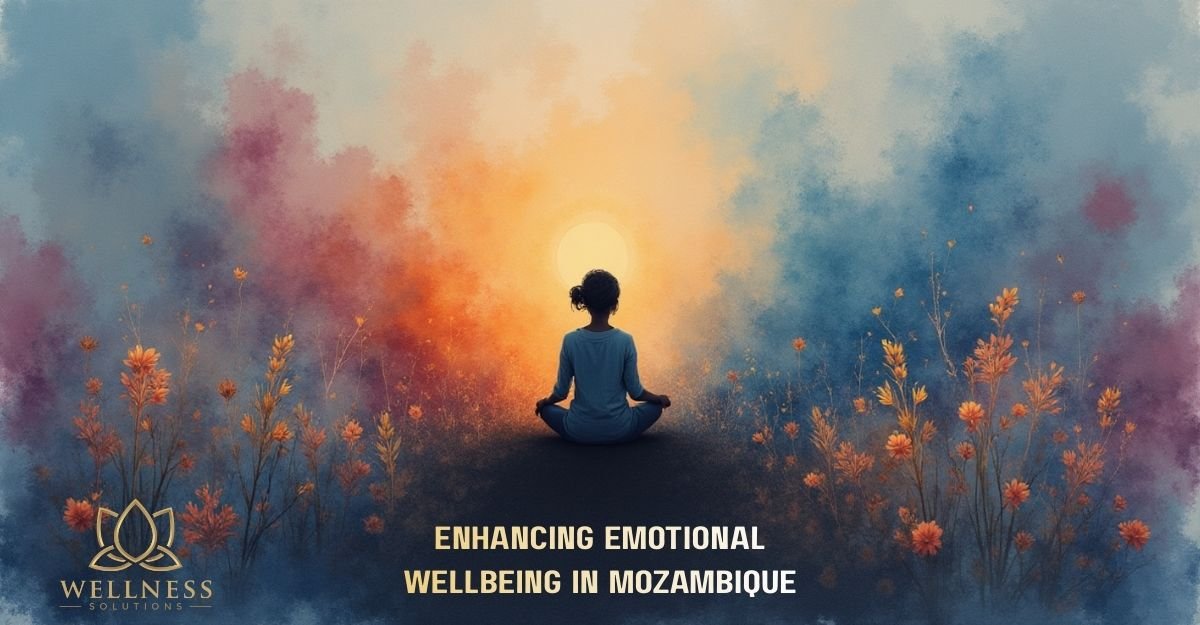
Emotional wellbeing is not a luxury. It is the ability to feel, cope, reset, and stay connected to yourself and others even when life is demanding. In Mozambique, emotional stress can come from many directions: work pressure, family responsibilities, financial uncertainty, relationship strain, parenting challenges, relocation, or simply the fatigue of doing too much for too long.
When emotional wellbeing is strong, people tend to sleep better, communicate more clearly, focus at work, and recover faster from setbacks. When emotional wellbeing is low, stress builds quietly until it shows up as burnout, anxiety, irritability, disconnection, or health problems.
The World Health Organization describes mental health as a state of mental well being that helps people cope with stress, realize abilities, learn and work well, and contribute to their community. Emotional wellbeing programs are one practical way to strengthen that state of wellbeing.
This guide explains what emotional wellbeing programs in Mozambique can look like, which formats work best, and how to choose the right support. You will also see how Enhanced Wellness Solutions supports emotional health through psychotherapy, coaching, workplace programs, and development focused workshops for individuals and organizations.
Emotional wellbeing is not “being happy all the time.” It is being able to:
Think of emotional wellbeing like fitness. You do not build it in one day. You build it through habits, support, and skills that help you respond to life more effectively.
In practice, emotional wellbeing programs usually focus on three areas:
Workload, family systems, social expectations, and community realities all shape emotional health. Programs that work acknowledge real life context, not just individual willpower.
Many people wait until they are fully burned out. A program that teaches skills early can reduce the risk of long term anxiety patterns, chronic stress, and relationship breakdown.
Teams function better when people can communicate, regulate stress, and recover after conflict. This is why workplace emotional wellbeing is now a key part of healthy organizational culture.
Awareness is helpful, but skills create change. A strong program gives participants tools, structure, and practice, not only advice.
You do not need to be in crisis to seek support. Consider an emotional wellbeing program if you notice:
If these signs feel familiar, you are not alone. Programs that blend education, practical tools, and supportive guidance can be a strong starting point.
Emotional literacy means you can name what you feel and understand what it is asking for.
A quick check in practice:
This sounds simple, but it is powerful. Many adults were never taught how to identify emotions clearly, so they cope through suppression, overworking, conflict, or withdrawal.
Stress relief programs work best when they help the nervous system shift out of constant alert mode.
Common regulation tools include:
These habits are not “extra.” They are emotional wellbeing protection.
Stress often creates rigid thinking like:
Programs that work teach people how to notice these patterns and reframe them into balanced thoughts. This is one reason cognitive therapy and CBT informed tools are common in effective wellbeing programs.
Emotional wellbeing improves when people can communicate needs without guilt and set boundaries without aggression.
Examples:
This pillar is especially important in workplaces and families where emotional pressure often builds silently.
People cope better when life feels meaningful. Programs that include values work help people reconnect to what matters, even when stress is high.
Meaning can be simple:
Not every program fits every person. The most effective approach depends on your goals, schedule, and the depth of support you need.
When emotional strain is persistent, individualized support is often the most effective starting point.
Individual therapy can help with:
Enhanced Wellness Solutions offers psychotherapy and mental health support services designed to nurture wellbeing in individuals and organizations.
Workshops are ideal for learning tools in a structured format, especially when the goal is prevention and skill building.
Common workshop themes that work well:
Enhanced Wellness Solutions delivers team mentorship and development services that can include wellbeing training and supportive growth programs.
Stress relief programs are most effective when they include:
Programs fail when they expect people to “just relax.” Programs succeed when they teach people how to reset their nervous system, one habit at a time.
Resilience training is not about being tough. It is about being adaptable, emotionally stable, and able to recover after setbacks.
Effective resilience training includes:
In organizations, resilience training helps reduce burnout and improve team function.
Many people need both healing and growth. Integrative wellbeing programs can combine:
Enhanced Wellness Solutions offers professional life coaching and development oriented services that complement therapy and wellbeing programs.
Workplaces are one of the biggest drivers of stress, but also one of the strongest places to improve wellbeing at scale.
Workplace programs succeed when they:
They fail when:
Enhanced Wellness Solutions supports organizations through services designed for individuals and organizations, including team mentorship, development, and wellbeing support.
Even if you are not ready for a full program, you can begin with a structure that builds emotional stability.
Self care is not expensive. It is consistent.
Try this daily:
This plan is not a replacement for therapy when deeper issues are present, but it can be a strong foundation for emotional balance.
Use this quick checklist to make a confident choice.
A strong program teaches tools that can be practiced. It should not only “inspire.”
Choose therapy for deeper emotional pain and long term patterns. Choose workshops for skills and prevention. Choose coaching for growth, goals, and performance support.
The best programs respect language, family systems, and community realities. They also focus on what you can apply in daily life.
One session rarely creates change. Look for a program with follow up, practice, and review.
Education should be connected to care pathways. Enhanced Wellness Solutions provides a range of services that can support both individual and organizational wellbeing.
Enhanced Wellness Solutions supports emotional wellbeing through a practical, compassionate, and structured approach that serves both individuals and organizations.
Support may include:
This range matters because emotional wellbeing is not one dimensional. People may need healing, skill building, and a healthier environment at the same time.
Q1: What are emotional wellbeing programs in Mozambique?
A: Emotional wellbeing programs are structured supports that help people build emotional skills, manage stress, strengthen resilience, and improve daily functioning. They can include therapy, counseling, workshops, coaching, and workplace wellbeing programs.
Q2: What is the difference between a wellbeing workshop and psychotherapy?
A: Workshops focus on education and practical tools in a group setting. Psychotherapy is individualized support that can go deeper into emotional patterns, anxiety, trauma, grief, and relationship dynamics.
Q3: Do stress relief programs actually work?
A: Yes, when they include skills and routine changes that support the nervous system, sleep, and emotional regulation. Programs work best when they are consistent and practical, not only motivational.
Q4: What is resilience training and who is it for?
A: Resilience training builds the ability to recover after setbacks, regulate emotions under pressure, and stay flexible during stress. It can help individuals, teams, and leaders.
Q5: How can Enhanced Wellness Solutions help with emotional health support?
A: Enhanced Wellness Solutions provides psychotherapy services, coaching, wellbeing workshops, team mentorship and development, and organizational support programs that strengthen emotional wellbeing in individuals and workplaces.
If you are looking for emotional wellbeing programs in Mozambique that are practical, supportive, and designed for real life, Enhanced Wellness Solutions is here to help you build emotional stability, stronger coping skills, and healthier routines.
Contact Details
Company Name: Enhanced Wellness Solutions
Phone: +258 84 955 2710
Email: sharlene@ewellnessolutions.com, sebastian@ewellnessolutions.com
Address: 135, Rua Eça de Queiroz, Bairro da Coop, Maputo, Mozambique.
Google Maps: View location
Website: ewellnessolutions.com
Service page: Our Services

Enhanced Wellness Solutions delivers holistic mental health and wellness services, combining expert care with compassionate support to nurture well-being in individuals and organizations alike.
© Copyright 2026 Enhanced Wellness Solutions – All Rights Reserved.
Enhanced Wellness Solutions
Typically replies within minutes
How can we support you today?
WhatsApp Us
🟢 Online | Privacy policy
Least Discuss