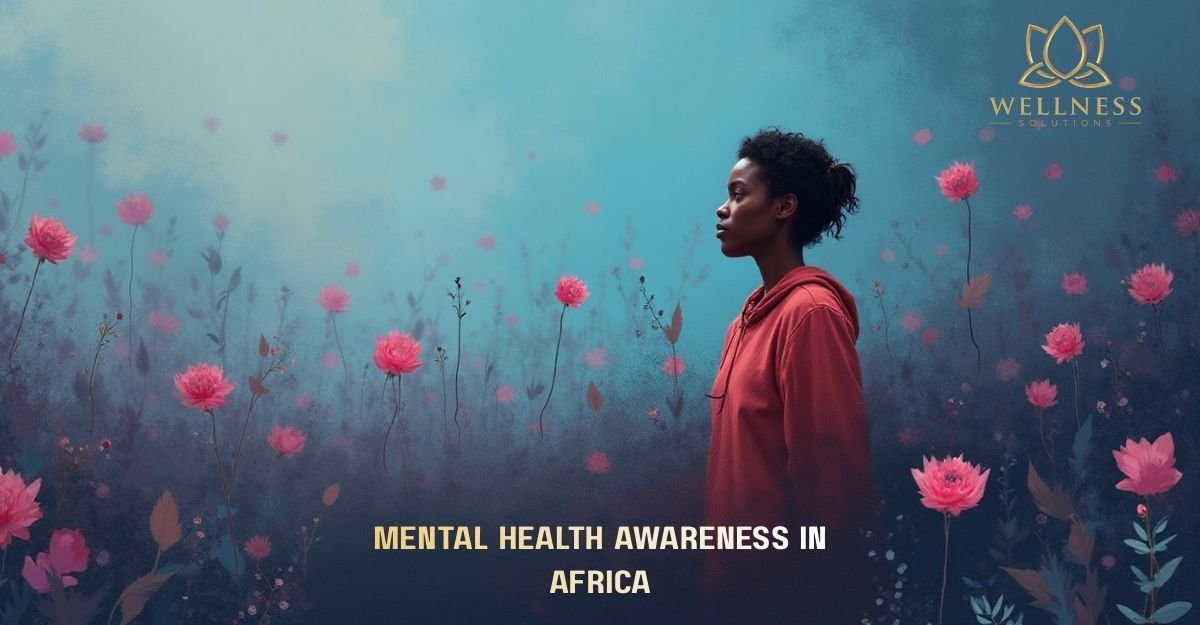
Across Africa, conversations about mental health are becoming more visible. More people are naming anxiety, stress, depression, trauma, and burnout. More schools, workplaces, and communities are starting wellness programs. And more young people are speaking up about emotions in ways previous generations were often discouraged from doing.
Still, mental health awareness in Africa faces a serious challenge: awareness is growing faster than access to care. The World Health Organization Regional Office for Africa has highlighted major barriers, including low investment and poor access to mental health services in many African countries. It has also reported that average government spending on mental health in the region is extremely low, well below recommended levels.
This is why awareness matters. Awareness is not just a social media trend. It is the foundation for real change: education, stigma reduction, early support, community programs, and stronger systems that make care easier to access.
In this article, we will explore what mental health awareness looks like across Africa, why stigma reduction is essential, and which approaches create real impact. Then we will zoom in with a spotlight on Mozambique, including community needs and practical mental health initiatives. Finally, we will share what individuals, families, schools, employers, and communities can do right now, plus how Enhanced Wellness Solutions can support your mental wellbeing journey through professional therapy, counseling, coaching, and wellness programs.
Mental health awareness is often misunderstood as simply “talking about mental health.” Talking helps, but awareness goes deeper. Real awareness includes:
The World Health Organization describes mental health as more than the absence of illness. It involves wellbeing, coping with stress, functioning in daily life, and contributing to community.
So mental health awareness is not only about illness. It is also about building healthier minds and stronger coping skills at every stage of life.
Africa is a diverse continent with different cultures, languages, belief systems, and health systems. Mental health challenges also vary widely. But there are shared pressures that show up across many settings:
WHO Africa has warned that poor access to mental health care is a major hurdle in many African countries, linked to low government investment.
When services are limited, communities may rely on informal support only. While family and community support is valuable, it is not always enough for trauma, severe anxiety, depression, or long term emotional distress.
Stigma does not only mean discrimination. It also includes misunderstanding, fear, shame, and silence. UNICEF and WHO have described widespread stigma and lack of understanding as major barriers for people experiencing psychosocial distress in Africa.
Stigma can cause people to delay care until problems become severe. It can also isolate families and reduce the willingness to discuss emotional struggles openly.
One of the most urgent areas is youth and adolescent mental health. UNICEF and WHO have reported that tens of millions of adolescents in Africa live with a mental disorder, and that many mental health conditions begin in childhood.
When communities invest in early mental health education and support, outcomes improve across adulthood, relationships, education, and work.
Many African countries have regions affected by conflict, displacement, or humanitarian crises. In these contexts, mental health and psychosocial support becomes essential, not optional.
WHO emphasizes the importance of integrating mental health within general healthcare, strengthening community based services, and supporting mental health in non health settings such as schools and child protection systems.
If awareness is the doorway, education is the foundation.
Mental health education in Africa helps people:
Education also protects against misinformation, which can be dangerous. When a community believes harmful myths such as “mental illness is always a personal weakness,” people suffer in silence and delays get longer.
Education shifts the story from shame to support.
Stigma reduction is one of the most powerful mental health initiatives because it changes behavior. It changes whether people seek help. It changes whether families offer support. It changes whether workplaces treat mental health as a real health issue.
Stigma reduction works best when it is:
Stories matter, but they must be shared responsibly. Not everyone needs to share personal experiences publicly. A community can reduce stigma by normalizing emotional wellbeing in everyday language.
People need clear next steps. Awareness campaigns should always include options such as counseling pathways, community support programs, and trusted professional services.
In many communities, mental health language may be new, or expressed differently. A culturally respectful approach listens first, then educates. It does not shame cultural beliefs. It builds bridges.
Stigma drops faster when people learn what to do. For example:
Across the continent, the most scalable mental health initiatives tend to be community based. They usually include:
WHO promotes approaches that integrate mental health into primary care and use task sharing, meaning trained non specialist providers can support mental health needs under appropriate systems.
This approach is especially important where there are shortages of specialists.
Prevention includes emotional skills training, stress management education, and supportive parenting knowledge. These reduce risk and improve resilience.
School programs can reach children and adolescents earlier, which is critical since many mental health conditions begin in childhood.
UNICEF has also supported teacher capacity building for mental health and psychosocial support in education settings, including practical strategies to identify children who need additional support.
Workplaces are one of the strongest platforms for wellbeing because adults spend a large part of their lives at work. Employee assistance programs, leadership training, and stress management workshops reduce burnout and improve performance.
This is a core area where Enhanced Wellness Solutions supports organizations through structured mental health programs and wellbeing services.
Now let us focus on Mozambique. Like many countries, Mozambique faces mental health challenges linked to social realities, emergencies, and limited access to professional services.
UNICEF Mozambique notes that children, adolescents, and caregivers face multiple risks that affect mental health and psychosocial wellbeing. These include poverty, displacement, exposure to conflict, harmful practices such as child marriage, substance abuse, existing neurological conditions, and extreme weather and climate stress.
That list matters because it shows something important: mental health in Mozambique is connected to the wider environment. It is shaped by family stability, safety, education, economic stress, and community protection.
A published overview of the mental health system in Mozambique has described community interventions, promotion and prevention activities, and outreach as part of the system, alongside treatment and follow up.
Mozambique has also been noted for task sharing approaches, including expanding care through trained mid level mental health professionals in primary care settings, as described in research on closing treatment gaps.
Mozambique has also had regions affected by conflict and displacement, where mental health support becomes urgent. The ICRC has described mental health and psychosocial support programming in Mozambique that aims to strengthen services and community level support in conflict affected settings.
This is a key point for awareness campaigns: mental health is not only an individual issue. It is a community resilience issue.
If you are planning awareness campaigns in Mozambique, the most effective campaigns usually include three layers:
Teach mental health basics in simple language:
Give people tools they can use immediately:
Awareness without pathways can create frustration. People need to know where to go next:
This is where professional providers like Enhanced Wellness Solutions play a crucial role, because they offer structured support options and wellness services that can align with community education.
Mental health awareness does not only belong to organizations. It starts in everyday interactions.
Instead of “Why are you like this?” try:
Common signs of distress include:
Awareness is noticing changes early, not waiting for collapse.
You can say:
For children and adolescents, emotional safety is built through:
This aligns with the importance UNICEF places on psychosocial support for children and adolescents in Mozambique.
Awareness becomes real when it connects to services. Enhanced Wellness Solutions supports individuals and organizations by offering professional care that aligns with prevention, education, and treatment.
Support can include:
If you want mental health awareness to become action, this kind of integrated service model matters. It creates a bridge between education, prevention, and real support.
If you are building programs, here are workshop topics that attract engagement and create meaningful results:
These topics align strongly with community programs and workplace wellbeing initiatives, and can be delivered in schools, organizations, and community spaces.
The momentum for mental health awareness in Africa is growing. But sustainable change requires:
Mozambique’s spotlight shows both the challenges and the opportunities. With community based support, school initiatives, workplace programs, and accessible professional services, awareness can become real improvement in daily life.
Q1: Why is mental health awareness in Africa important?
A: It helps people recognize early signs of distress, reduces stigma, improves help seeking, and supports prevention. Awareness also strengthens community programs and encourages investment in accessible care.
Q2: What are the biggest barriers to mental health care in Africa?
A: Key barriers include low investment, limited services, and widespread stigma and misunderstanding of mental health.
Q3: What mental health risks affect children and adolescents in Mozambique?
A: UNICEF Mozambique notes risks including poverty, displacement, exposure to conflict, harmful practices, substance abuse, neurological conditions, and extreme weather and climate related stress.
Q4: What are community based mental health initiatives?
A: They are programs delivered through community settings such as schools, primary healthcare, and local organizations. They often include education, prevention skills, and referrals to care. WHO supports integrated and community based approaches.
Q5: How can workplaces support mental health awareness?
A: Workplaces can offer education workshops, confidential counseling access, manager training, and wellbeing initiatives that reduce burnout and improve team functioning.
Q6: How can Enhanced Wellness Solutions help with mental health awareness and support?
A: Enhanced Wellness Solutions provides therapy, counseling, holistic wellbeing support, coaching, workplace programs, and team development services that connect awareness to practical support and real outcomes.
If you want professional support, community aligned care, or workplace wellbeing services, Enhanced Wellness Solutions is here to help you turn awareness into action.
Contact Details:
Company Name: Enhanced Wellness Solutions
Phone: +258 84 955 2710
Email: sharlene@ewellnessolutions.com, sebastian@ewellnessolutions.com
Address: 135, Rua Eça de Queiroz, Bairro da Coop, Maputo, Mozambique.
Google Maps: View location
Website: ewellnessolutions.com
Service page: Our Services
Enhanced Wellness Solutions delivers holistic mental health and wellness services, combining expert care with compassionate support to nurture well-being in individuals and organizations alike.
© Copyright 2026 Enhanced Wellness Solutions – All Rights Reserved.
Enhanced Wellness Solutions
Typically replies within minutes
How can we support you today?
WhatsApp Us
🟢 Online | Privacy policy
Least Discuss