Exploring Therapy in Mozambique: Options for Healing and Growth
Therapy in Mozambique is more available than you think
If you are searching for therapy in Mozambique, you are not alone. People seek support for many reasons: stress that will not switch off, relationship strain, grief, work burnout, anxiety, low mood, life transitions, trauma, or a general feeling of being stuck.
Mozambique has diverse communities, languages, and lived experiences, and mental health needs can look different across provinces, families, and workplaces. At the same time, many people delay getting help because they are unsure where to start, what therapy involves, or which type of support actually fits.
This guide is designed to make your next step clearer. You will learn the main therapy options in Mozambique, how psychotherapy and counseling differ, what holistic and integrative therapy means in real life, and how to choose support that feels safe, respectful, and effective.
Throughout, I will also show how Enhanced Wellness Solutions supports individuals, couples, families, and organizations with evidence informed care, coaching, and wellness programs that are designed for real life in Mozambique.
What does “therapy” mean?
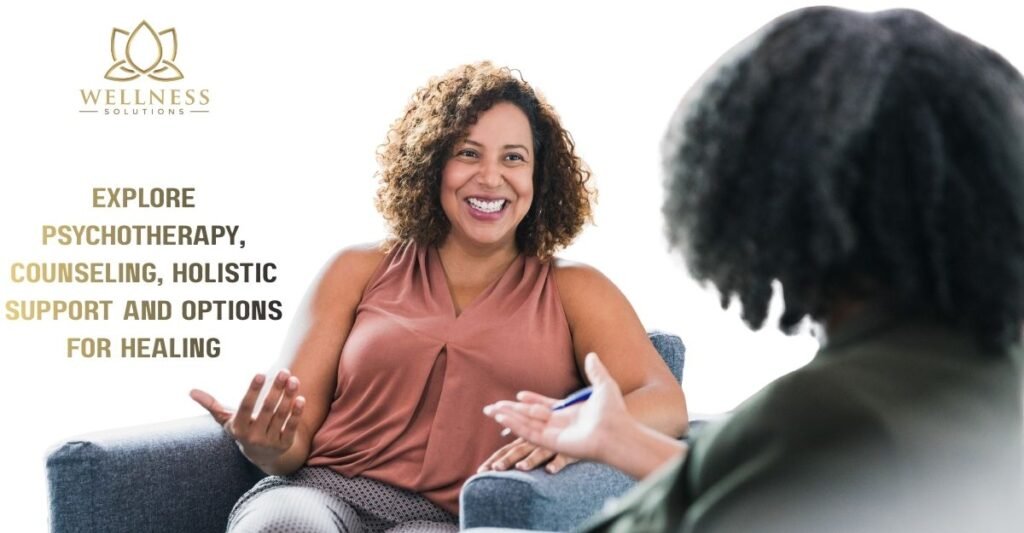
Therapy is a structured space to understand what you are experiencing, reduce distress, and build healthier patterns in how you think, feel, relate, and cope. Therapy is not only for “serious” problems. It can also be a growth tool, helping you build emotional skills, clarity, and resilience.
Globally, mental health needs are widespread, and many people do not have access to care. The World Health Organization notes that mental disorders are common worldwide and that many people still lack access to effective care.
In Mozambique, access can vary depending on location, awareness, and availability of trained professionals. Recent research also highlights gaps in care seeking among young people, which often reflects broader barriers like stigma, limited services, and support systems that rely heavily on family or friends.
The good news is this: therapy can work, and there are more options than many people realize.
Psychotherapy vs counseling in Mozambique
People often use these terms interchangeably, but they can mean slightly different things depending on the provider’s training and the setting.
Counseling
Counseling often focuses on present day challenges and practical support. This might include stress, relationship conflict, work pressure, decision making, adjustment difficulties, and coping skills.
Psychotherapy
Psychotherapy often goes deeper into patterns, emotions, beliefs, trauma history, attachment, and long term change. Psychotherapy can also include structured approaches such as Cognitive Behavioural Therapy, trauma informed therapy, and other evidence based modalities.
In practice, both counseling and psychotherapy can be effective. What matters most is choosing the right level of support, with the right professional, for your needs.
If you are unsure what you need, that is normal. A good provider will help you clarify the best therapy path after an initial assessment.
Therapy options in Mozambique
Here are the most common therapy formats and approaches you may find.
1) Individual therapy
This is one to one work with a therapist, usually weekly or biweekly at first. Individual therapy can support:
- Anxiety and stress
- Low mood and burnout
- Trauma and grief
- Self esteem and confidence
- Life transitions and identity changes
- Emotional regulation and coping skills
At Enhanced Wellness Solutions, psychotherapy services are designed to be personalized and practical, while also honoring the deeper emotional layers that shape your experience.
2) Couples counseling and relationship therapy
Relationship stress is one of the most common reasons people seek support. Couples therapy can help with:
- Communication breakdown
- Trust and rebuilding after conflict
- Intimacy challenges
- Parenting tension
- Cross cultural relationship stress, common for international couples living in Mozambique
A skilled therapist helps both partners slow down, hear each other differently, and build healthier patterns.
3) Family therapy
Family therapy is useful when challenges involve more than one person, such as:
- Parent child conflict
- Teen stress and behavior concerns
- Divorce or blended family transitions
- Loss in the family
- Caregiver stress
4) Group therapy and support groups
Group support can reduce isolation and build community. It is also often more affordable. Groups may focus on stress management, resilience, trauma support, women’s wellness, men’s emotional wellbeing, or workplace related mental health skills.
5) Workplace mental health support and employee programs
For many adults, work stress is the trigger that pushes mental health to the edge. Organizations can support employees through wellbeing programs that include counseling access, psychoeducation workshops, leadership development, and team resilience work.
Enhanced Wellness Solutions offers Employee Assistance Programs, workshops, leadership support, and team mentorship that strengthen workplace wellbeing and performance.
Holistic therapy in Mozambique: what it actually means
When people hear “holistic therapy,” they sometimes assume it means therapy without science. In quality care, holistic simply means the therapist sees the whole person, not just symptoms.
Holistic therapy may consider:
- Sleep, nutrition, energy, and routines
- Stress physiology and nervous system patterns
- Family, culture, spirituality, and community
- Meaning, purpose, and values
- Mind body connection and how emotions show up physically
At Enhanced Wellness Solutions, the approach is rooted in evidence informed psychology while also honoring human connection and personal meaning, so therapy feels grounded, culturally sensitive, and genuinely supportive.
Integrative therapy: combining approaches for better fit
Integrative therapy blends more than one therapeutic method to match the person, the problem, and the context.
For example, someone dealing with anxiety might benefit from:
- Cognitive tools to challenge unhelpful thinking
- Body based regulation strategies for stress
- Values work for decisions and boundaries
- Relationship skills to reduce conflict at home
- Coaching elements for goal setting and accountability
Integrative care is especially helpful when life is complex, which is common for people balancing family responsibilities, financial stress, relocation, identity shifts, or high pressure work environments.
How to choose the right therapist in Mozambique
Choosing a therapist is not only about credentials. It is also about fit.
Here is a practical selection checklist you can use anywhere in Mozambique.
1) Start with your goal, even if it is simple
You do not need the perfect words. A starting point is enough:
- “I want to feel less anxious.”
- “I keep repeating the same relationship pattern.”
- “I feel emotionally exhausted.”
- “I want support during a major change.”
A good therapist will help you clarify goals over time.
2) Ask about training and experience
If you are comparing mental health professionals, ask about:
- Their education and clinical training
- The populations they work with
- Their experience with your main concern
Harvard Health suggests asking direct questions about training, experience, therapy approach, how progress is measured, and what to do if you do not improve.
3) Understand the type of professional you are seeing
Mozambique, like many countries, includes a mix of mental health professional roles. Knowing the difference helps you choose correctly.
NAMI explains that psychologists typically have doctoral level training and provide psychotherapy and assessment, while other masters level clinicians may provide therapy under different professional titles.
If you also need medication support, you may need coordination with a medical professional.
4) Choose an approach that matches your personality
Some people love structured therapy with homework. Others need more reflective emotional processing. Some prefer short term skills based work. Others need trauma informed depth.
There is no single “best” therapy approach. The best approach is the one that fits you, and that is supported by competent practice.
5) Pay attention to safety and rapport
A strong therapeutic relationship matters. You should feel respected, heard, and emotionally safe.
In your first sessions, notice:
- Do you feel judged or rushed
- Do they explain the process clearly
- Do they invite your questions
- Do you leave with more clarity, even if emotions are still present
6) Ask about confidentiality
Confidentiality is essential for trust. Your provider should explain how privacy works, and what the limits are in specific situations.
7) Consider language and cultural understanding
Mozambique is multilingual and multicultural. Therapy works best when your provider respects:
- Your language comfort
- Your religious or spiritual beliefs
- Family and community dynamics
- Social realities like migration, identity, and economic stress
A culturally sensitive therapist does not stereotype. They ask curious questions and adapt care respectfully.
What to expect in your first therapy sessions
Many people fear the first session because they imagine they must explain their whole life perfectly.
You do not.
A typical first phase includes:
- A short history of what brings you in
- Questions about your current stressors, sleep, relationships, work, and support
- Clarifying goals and what “better” would look like
- Agreeing on a plan, frequency, and approach
At Enhanced Wellness Solutions, an initial conversation is designed to help you feel understood and to match you with the right therapy path, whether that is psychotherapy, structured CBT style support, or integrative care that blends emotional and practical tools.
Therapy for healing and therapy for growth
Therapy is often framed as crisis support. But in real life, people use therapy for two broad reasons.
Healing
This includes recovery from:
- Anxiety, panic, chronic stress
- Trauma, grief, loss
- Depression symptoms and emotional numbness
- Relationship wounds
- Burnout and exhaustion
Growth
This includes building:
- Confidence and self trust
- Emotional intelligence
- Communication and boundaries
- Leadership presence and workplace resilience
- Life direction, motivation, and meaning
Enhanced Wellness Solutions also offers coaching programs, including NLP informed professional life coaching, which can be a great fit when you are functioning but want stronger momentum, clearer goals, and personal expansion.
Barriers to therapy in Mozambique and how to work around them
People in Mozambique can face real barriers to care. Research highlights shortages in mental health professionals and that services can be concentrated in urban areas, leaving some regions underserved.
Here are practical ways people work around access barriers:
- Ask about online sessions if travel is difficult
- Start with short term counseling while waiting for specialized care
- Use psychoeducation and skills based support to stabilize first
- Involve family support when appropriate and safe
- Explore workplace wellness programs if your employer offers support
If you are unsure where to start, beginning with a reputable clinic that offers assessment and referral within its own team can save time.
Signs you found the right therapist
You do not need therapy to feel comfortable all the time. Growth can be challenging. But you should feel safe.
Good signs include:
- Clear explanations and collaborative goal setting
- Respect for your values, culture, and pace
- Regular check ins on progress
- Practical tools, not only talk
- Boundaries and professionalism
- Encouragement to ask questions
If you feel consistently dismissed, pressured, or unclear about the plan, it is okay to seek a better fit.
How Enhanced Wellness Solutions supports therapy in Mozambique
Enhanced Wellness Solutions supports individuals and organizations with services that connect mental health support to everyday life.
Depending on your needs, support may include:
- Psychotherapy and counseling for individuals, couples, and families.
- Structured, evidence informed approaches including CBT style methods when appropriate
- Holistic and integrative therapy that considers the whole person, not only symptoms
- NLP informed professional life coaching for growth, confidence, and direction
- Employee Assistance Programs and workplace wellness initiatives for organizational mental health support
- Team mentorship and group support to strengthen communication, leadership, and resilience
If you want a single trusted place to start, it helps to work with a team that can guide you toward the right care level, rather than guessing alone.
FAQ Section
Q1: What is the difference between counseling and psychotherapy in Mozambique?
A: Counseling often focuses on present challenges and practical coping skills, while psychotherapy may explore deeper emotional patterns, trauma, and long term change. Both can be effective depending on your needs and the provider’s training.
Q2: How do I know which type of therapy is right for me?
A: Start with your main concern and ask a provider how they would approach it. It is also helpful to ask how progress will be measured and what the expected timeline is for noticing improvement.
Q3: Is holistic therapy evidence based?
A: It can be. Holistic therapy simply means the therapist considers the whole person, including stress physiology, routines, relationships, culture, and meaning. Quality holistic care can still use evidence informed psychological tools.
Q4: Can I access therapy if I live outside a major city?
A: Access may be harder in some regions due to service concentration and shortages, but online sessions, structured short term counseling, and referral pathways can help bridge the gap.
Q5: What questions should I ask a therapist before I start?
A: Ask about training, experience, which therapy approach they recommend, how the process works, how progress is assessed, and what happens if you do not improve as expected.
If you are ready to explore therapy in Mozambique with a team that is professional, culturally respectful, and practical, Enhanced Wellness Solutions is here to support you.
Contact Enhanced Wellness Solutions today:
Service page: Our Services
Company Name: Enhanced Wellness Solutions
Phone: +258 84 955 2710
Email: sharlene@ewellnessolutions.com, sebastian@ewellnessolutions.com
Address: 135, Rua Eça de Queiroz, Bairro da Coop, Maputo, Mozambique.
Google Maps: View location
Website: ewellnessolutions.com